 The Tiny Cart
How to Build a Summer Camp Snack-Check Routine for Ingredient-Conscious Families
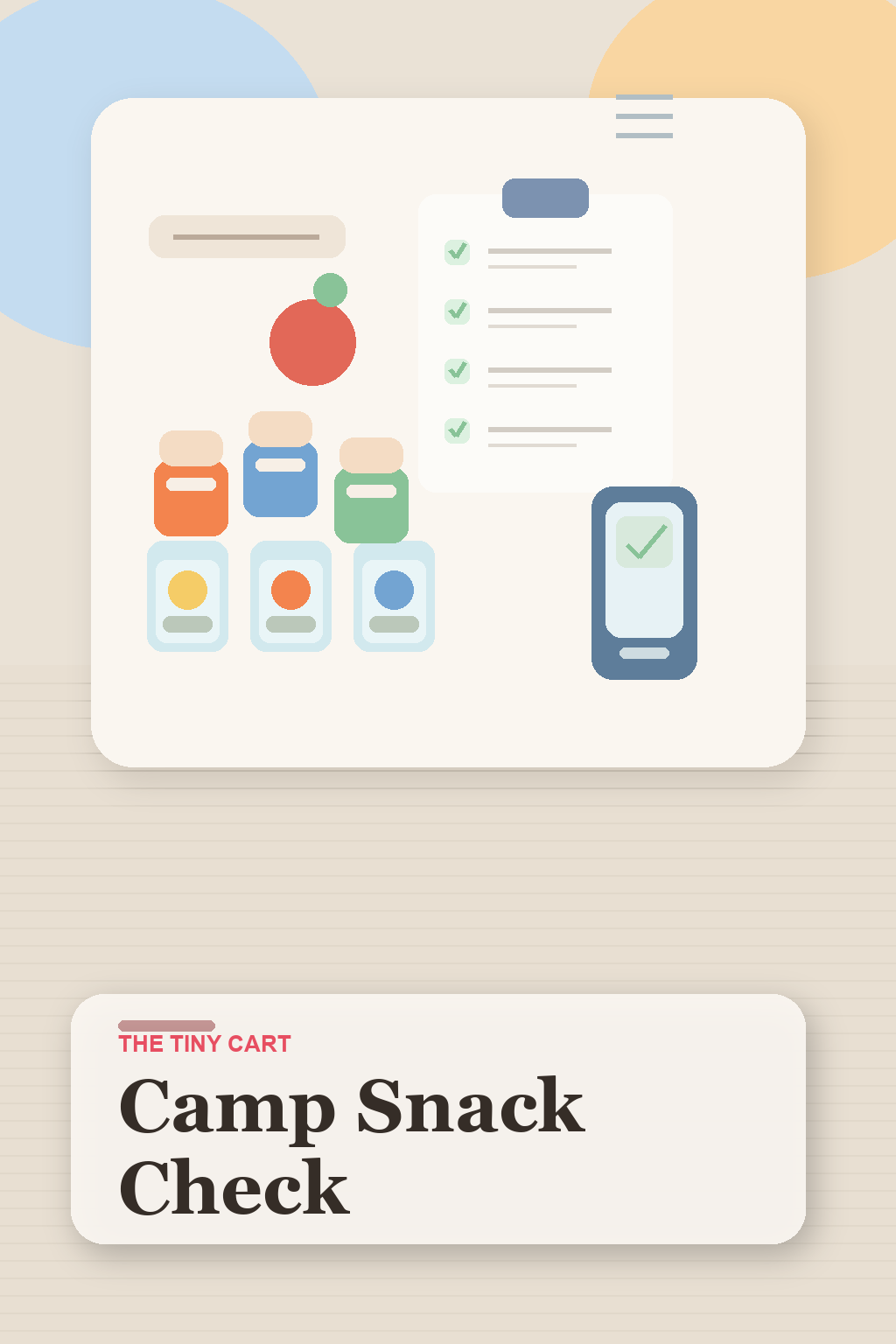
Camp snacks sound simple until every family rule, camp rule, and ingredient preference has to pass through one lunch bag before 8 AM. One bar is too sticky for the heat, another works at home but does not fit the camp's rules, and a third looks convenient until you start reading the label while the shoes are already on.
A good snack-check routine does not make food choices perfect. It makes the review happen early enough that mornings stay functional.
Why Camp Snack Systems Get Messy
- The schedule shifts. Camp days often change between half-day, full-day, swim day, or field-trip day, so the food plan loses its default pattern.
- Heat changes what packs well. Summer snacks need to survive car rides, cubbies, and warm pickup windows.
- Ingredient reviews happen too late. Families end up reading packaging while trying to zip the bag and find sunscreen.
- Previously reviewed items are not clearly separated. New or unchecked snacks drift into the same shelf as the parent-designated defaults.
Build the Routine in Three Zones
1. Create a review-first shelf
Anything new goes here before it becomes part of the camp rotation. This is where you confirm ingredients, camp policy fit, and whether the snack actually works in summer heat. The point is to make the decision once, not every morning.
2. Keep a short parent-reviewed list for camp days
The parent-reviewed camp zone should stay smaller than the full pantry. Think a handful of snacks you have checked against the current physical label, household preferences, and camp rules and that fit the kind of containers you actually use. Smaller zones are easier to restock and much harder to mix up accidentally.
For the reusable gear side, our roundups of the best snack containers for kids and the best bento lunch boxes for elementary school kids help keep the portions and pack-out consistent once the snack list is settled.
3. Pack the tools beside the food
Labels, napkins, reusable cups, and backup zipper pouches should live next to the parent-reviewed camp snacks, not in three unrelated drawers. When the tools live with the food, packing becomes a repeatable motion instead of a scavenger hunt.
Do the Ingredient Check While Unloading Groceries
This is where CartKind can help as an organizational reference. Families can scan a barcode, compare the available ingredient text with rules they chose, and review the matches before packing. CartKind does not identify allergens or determine food safety, and catalog data may be incomplete or wrong, so the physical package label and the camp's current written rules must always control.
If you want the full walkthrough, read our CartKind guide. It explains how custom rules and ingredient scans fit into real family shopping routines, which is the only place this system stays sustainable.
What Usually Makes Camp Packing Faster
- Keep one small bin for camp options a parent reviewed against the current label and camp rules.
- Portion messy snacks ahead so you are not filling containers every single morning.
- Use one short written list for “packs well in heat” versus “home only.”
- Refill the camp snack bin before the weekend ends so Monday is not an emergency restock.
Clear Pantry Bins With Handles
Useful for separating parent-reviewed camp options from the rest of the pantry without making the whole shelf feel overbuilt.
Shop Pantry Bins →Leak-Resistant Reusable Snack Cups
Helpful when fruit, crackers, or trail mix need to be portioned once and grabbed quickly on camp mornings.
Shop Snack Cups →Soft Insulated Snack Pouch
A simple upgrade for snacks that need a little temperature help but do not require a full lunch tote.
Shop Snack Pouches →Dry Erase Pantry Labels
Useful when your reviewed camp-snack lineup changes throughout the season or needs to shift between camps.
Shop Reusable Labels →Keep the Routine Practical, Not Perfect
You do not need a giant pantry makeover to make camp snacks easier. You need one reliable place for parent-reviewed food, one repeatable label check, and one pack-out flow that does not ask your brain to solve everything at 7:08 AM.
Important: Always verify current packaging, ingredient changes, and camp policy requirements before packing food. CartKind can speed up the review process, but it does not replace your own final check.